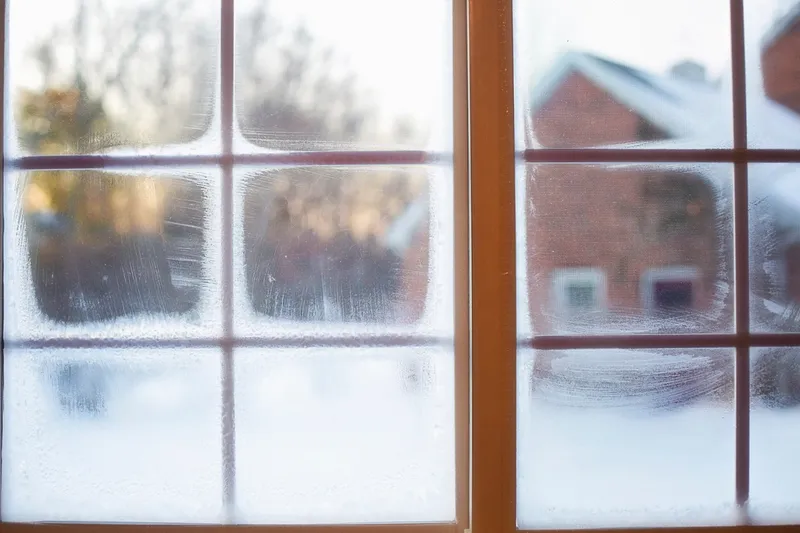
Emergency no-heat calls
House going cold? Same-day and after-hours repairs when the heat quits.
Read more →Acton, Halton Hills
Gas furnace repairs, replacements and yearly tune-ups for homes across Acton, the old Leathertown at Highway 7 and Regional Road 25. You get an upfront price before any work starts.
Call (905) 555-0147
Acton grew around its tanneries, which ran from 1842 until 1986, and kept growing as new subdivisions joined the town after the Second World War. That mix means we work on everything from furnaces in older houses near downtown to newer high efficiency units on recent streets.
Main Street, Mill Street and Queen Street
Home to Acton's oldest buildings, some from the 1800s. When a chimney-vented furnace is replaced with a high efficiency one, a gas water heater left alone on the chimney may need a liner or its own venting.
Subdivision added to the town in 1949
Some of Acton's earliest post-war homes. Gas piping and venting put in for earlier furnaces should be checked whenever a new furnace goes in.
Farmland added to the town in 1955 and built up as subdivisions
Ductwork here often dates from the original build, long before the current furnace. We check that it can carry the airflow before sizing a replacement.
House going cold? Same-day and after-hours repairs when the heat quits.
Read more →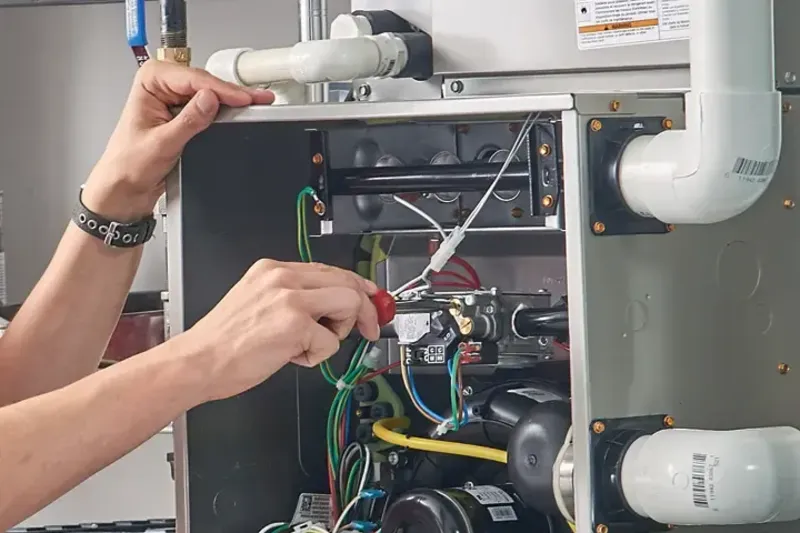
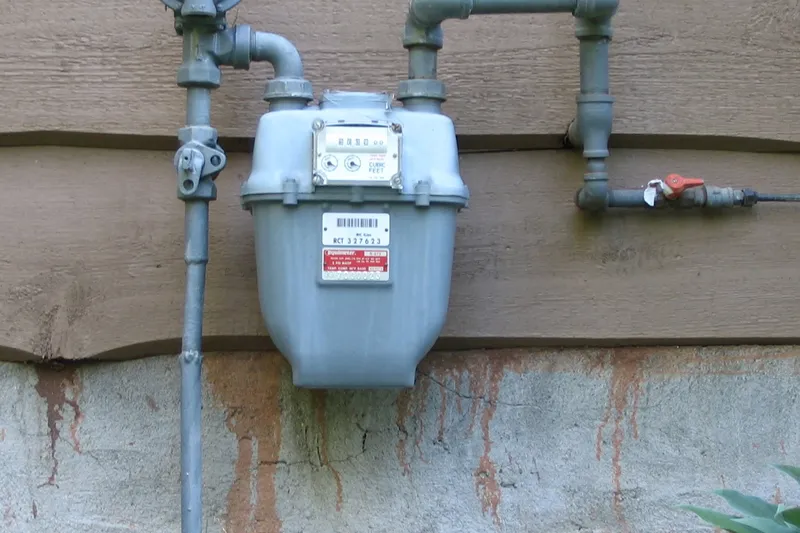
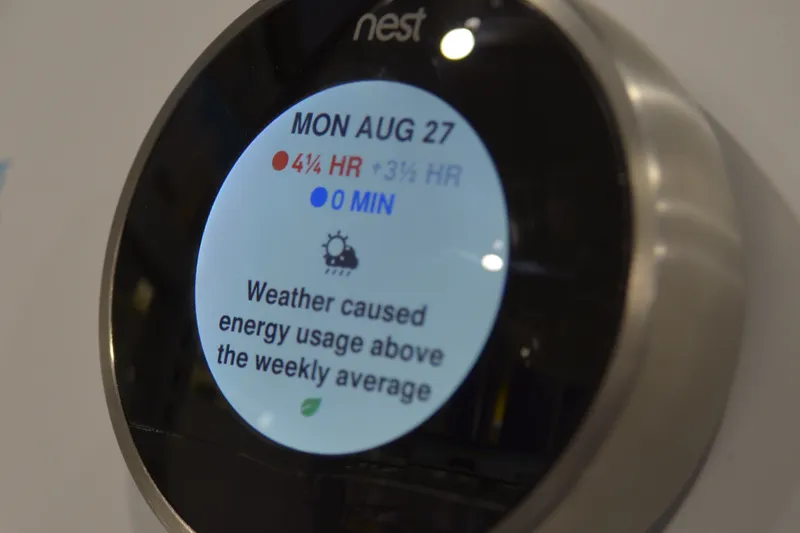
Nest, ecobee and similar models installed, wired and set up with your furnace.
Read more →Most breakdowns give some warning first. Calling at the first sign usually means a smaller repair than waiting for the furnace to stop on a cold night.
The furnace runs but the vents blow cool air, or it does not start at all.
It starts and shuts off every few minutes without warming the house.
Banging when the burners light, or squealing and rattling from the blower.
Some rooms stay cold while the rest of the house is warm.
The igniter clicks but the burners do not light, or the furnace keeps locking out.
A yellow or flickering burner flame instead of a steady blue one, or soot around the furnace. Have it checked before you keep running it.
Smell gas?
Leave the house right away without touching light switches or phones inside, then call your gas utility's emergency line or 911 from outside.
A failed igniter, flame sensor, pressure switch or blower motor. These are common parts, and replacing one costs far less than a new furnace.
A cracked heat exchanger, the same breakdown coming back every winter, parts that are no longer made, or a furnace that cannot keep up on the coldest days.
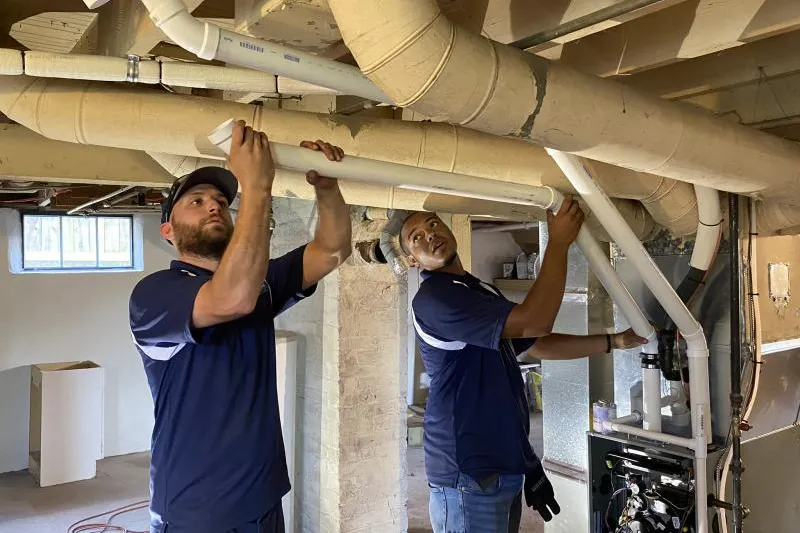
Gas furnaces made for Canadian homes since July 3, 2019 must reach at least 95% AFUE, meaning 95% of the gas burned becomes heat in your house. An older mid-efficiency furnace burns more gas for the same warmth.
Size matters as much as efficiency. A furnace that is too big turns on and off in short bursts, and one that is too small runs without catching up. Before quoting we work out your home's heat loss, the step Natural Resources Canada recommends asking any contractor for, and account for additions, new windows or insulation added since the old furnace went in.
When it started, any code on the furnace display, and anything you have already tried.
The technician tests ignition, airflow and venting, and checks for gas leaks and carbon monoxide.
We explain what failed and what the fix costs. Nothing is done until you say yes.
After the repair we run a full heating cycle to confirm the furnace lights, heats and shuts off properly.
Usually not. The Town of Halton Hills does not require a building permit for a replacement furnace with the same output that uses the same fuel as the old one. Switching to a new fuel source does need a permit, so check with Halton Hills Building Services before changing fuels.
Ontario's Fire Code requires a CO alarm next to each sleeping area in any home with a fuel-burning appliance, a fireplace or an attached garage. Since January 1, 2026, one is also required on every storey, including floors without bedrooms. If an alarm sounds, get everyone outside and call 911 from there.
Natural Resources Canada recommends servicing your heating system every year, ideally at the end of summer before the heating season starts. That timing leaves room to fix a worn part before the first cold night rather than during it.
Only contractors registered with the Technical Standards and Safety Authority (TSSA), using TSSA certified gas technicians. Ask for the contractor's registration number and the technician's certificate number before any work starts.
Tell us what your furnace is doing and we'll book a visit.